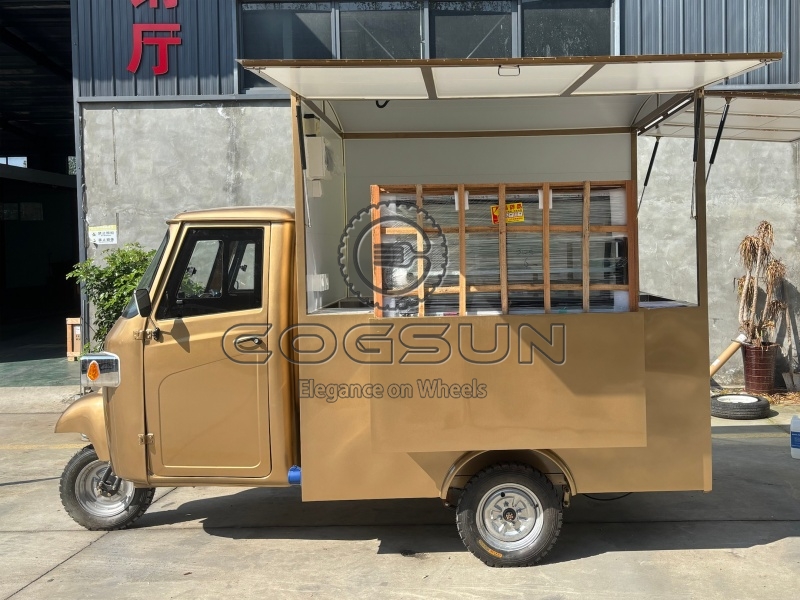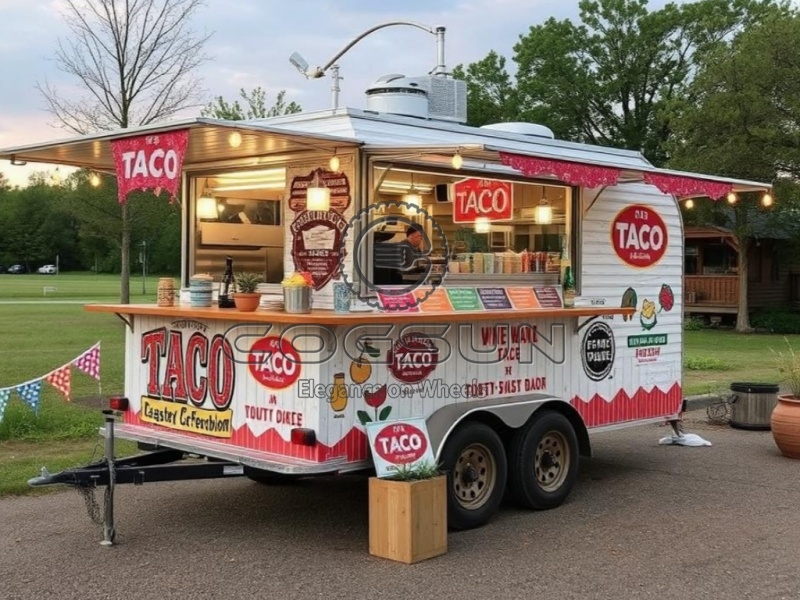
In today’s fast-paced life, fast food trailers have become a popular choice for food service entrepreneurs due to their flexibility, low cost, and high return on investment. Whether it’s ready-to-eat snacks on the street or customized meals for large events, these “mobile kitchens” are reshaping the food service industry in innovative ways.
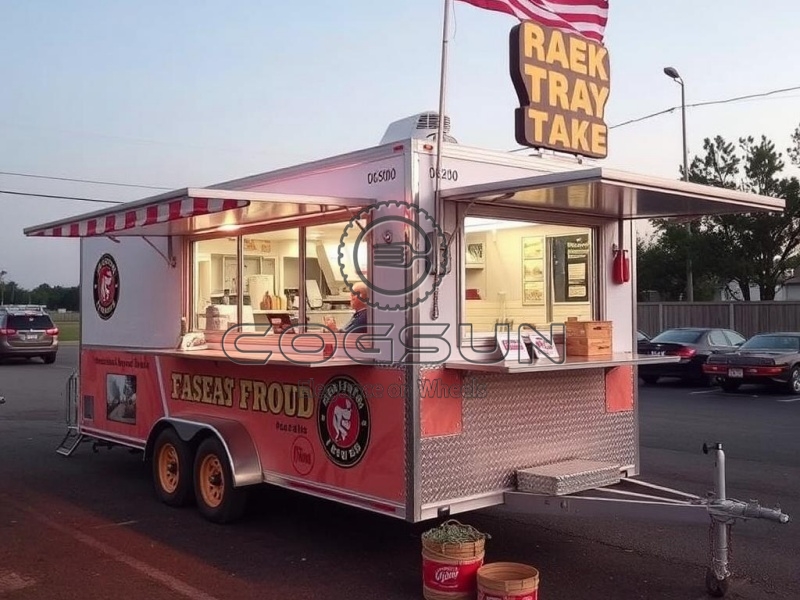
Food Trucks: Why Are They Becoming a New Favorite for Startups?
1. Flexibility and Low Cost
- Wide Coverage of Scenarios: From commercial districts and night markets to music festivals and sporting events, food trucks can be quickly deployed to high-traffic areas, avoiding the high rent pressure of traditional storefronts.
- Low Investment Threshold: Compared to physical stores, food truck startup costs are more than 50% lower, and no long-term lease contracts are required, making them suitable for startups to test the market.
2. Brand Differentiation
- Customized Design: The truck body can be painted with brand logos, unique graffiti, or IP characters, becoming a mobile “billboard.” For example, the popular American food truck Kogi BBQ achieved daily revenue exceeding $10,000 through Korean-Mexican fusion cuisine and social media marketing.
- Menu Innovation: Focusing on niche markets (such as vegetarian burgers and low-calorie fried chicken), quickly responding to changing consumer demands.
3. Sustainable Operation
- Environmentally Friendly Technology: Some food trucks use solar power, biodegradable packaging, and wastewater recycling systems, aligning with young consumers’ pursuit of sustainability.
- Data-Driven: Integrating POS systems and sales analytics tools, real-time tracking of best-selling items allows for optimization of inventory and pricing strategies.
Internal Equipment
1. Cooking Area
- Commercial Fryer: Dual-slot design (temperature adjustable 180-200℃), supports mass production of fried foods such as fries and chicken nuggets.
- Flat-top Frying Pan/Grill: Used for rapid heating of hamburger patties and hot dogs, equipped with a temperature controller to prevent over-burning.
- Steam Oven: Multi-functional models can simultaneously steam buns and bake pizzas to meet diverse menu needs.
2. Refrigeration and Storage
- Double-door Refrigerator (-2℃ to 8℃): Stores meat, dairy products, and pre-processed ingredients, equipped with a digital temperature display to ensure food safety.
- Freezer (below -18℃): Long-term storage of ice cream and frozen semi-finished products; some models integrate an independent ice maker.
3. Beverage and Condiment Area
- Soft Drink Maker: Supports multiple flavors of carbonated beverages such as Coca-Cola and Sprite, equipped with a cup lid dispenser to improve serving efficiency.
- Sauce Station: Divided design (e.g., ketchup, barbecue sauce, mayonnaise), equipped with a squeeze pump to reduce waste.
4. Cleaning and Hygiene System
- Three-basin stainless steel sink: Meets HACCP standards, supports a wash-rinse-disinfect process, and features a foot-operated water dispenser to prevent cross-contamination.
- UV disinfection lamp: Automatically activates at night for deep sterilization of work surfaces and tools.
5. Energy and Ventilation
- Liquefied petroleum gas/electricity dual-mode: Supports outdoor scenarios without power, or connects to municipal power via a 50AMP interface.
- Powerful fume hood: Integrates an oil fume purifier to ensure indoor air quality and comply with environmental regulations.
Application Areas
1. Urban Street Economy
- High-traffic locations: Office building lunchtimes, subway station evening rush hours, weekend shopping districts; can serve 300-500 people per day.
- Case Study: Shanghai’s “Jianbing Bus” reduced food preparation time to 90 seconds through standardized processes and mobile payment, achieving a 40% repurchase rate.
2. Large-Scale Events and Festivals
- Music Festivals/Sports Events: Food truck clusters form a “food street,” offering high-energy foods such as hamburgers, hot dogs, and fried chicken. For example, during the Super Bowl, a single food truck generated over $8,000 in daily revenue.
- Cultural Festivals/Exhibitions: Customized themed menus (such as Halloween “ghost face burgers”) attract tourists to take photos and share them online.
3. Tourism and Scenic Area Support
- Mobile Services within Scenic Areas: Providing quick meals at scenic spots like Huangshan and Jiuzhaigou, solving tourists’ dining problems.
- RV Campground Partnerships: Collaborating with campsites to offer “food truck + tent” packages, increasing added value.
4. Emergency and Public Services
- Disaster Relief: Converting food trucks into temporary canteens, providing hot meals and drinking water. For example, after the earthquake in Turkey, food truck teams provided free meals to disaster victims.
- Community Services: Partnering with municipal governments to provide affordable fast food in low-income areas, alleviating the “food desert” problem.
5. Corporate Marketing and Brand Activities
- Pop-up Store Model: Food and beverage brands use food trucks to travel through shopping districts, distributing coupons through AR interactive games, reaching over a thousand people per day.
- Cross-Industry Collaboration: Partnering with car brands to launch a “Test Drive and Get a Free Burger” campaign, achieving a synergistic effect of brand building and sales performance.